It's easy to forget as you're eating that delicious burger from Five Guys that the cow the meat came from was brought up in a tight pen, fattened with a corn-based feed until it's plump enough to be slaughtered and processed into the meaty goodness that you're about to put in your mouth. But before you take that bite, let one quick thought cross your mind: "Wait, would a cattle normally eat corn?"
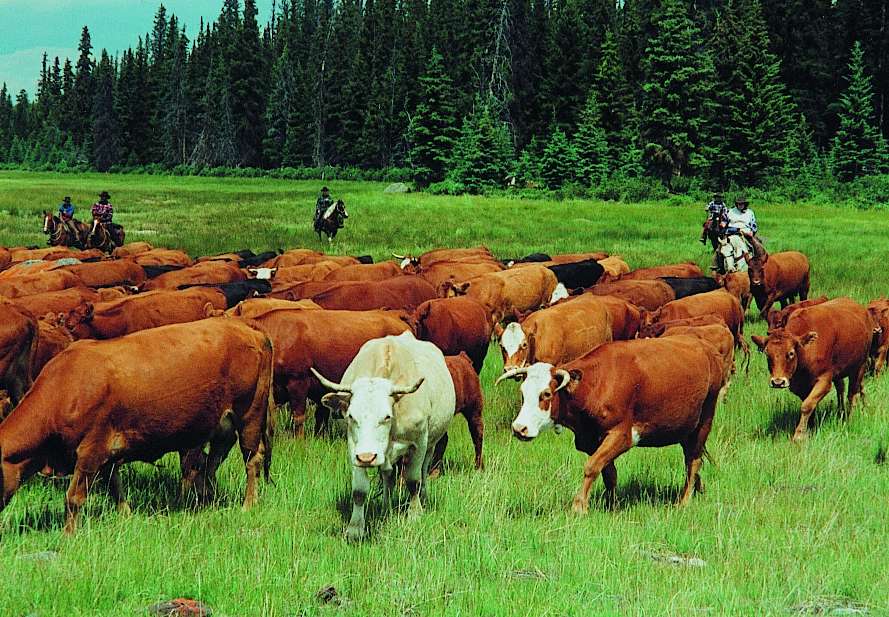
No. And that's where grass-fed meat comes in. Grass-fed refers to the natural, pre-industrialized method of how cattle and other animals ate food. A cow's digestive system is set up to process grass and produce omega-3, a healthy non-saturated fat. Additionally, the waste produced by free-grazing cattle has nutritional value to the earth, helping to regrow the land (ah, that beautiful circle of life). Conversely, in confinement, cattle waste is generally stockpiled, actually doing damage to the environment in its excess, the opposite of its naturally intended effect.
So it seems simple. Can't we just transition beef production over to grass-fed farms? Well according to some people, the omega-3 rich grass-fed meat has both the smell and taste of ammonia, not a high selling point to most consumers. Also, the cost is substantially higher than corn-fed beef, another negative in an already faltering food economy. The biggest negative though, is there's simply not enough space to feed Americans the amount of grass-fed beef they're used to eating in their current industrialized diets. What really needs to happen is for most Americans to cut back on meat in general, a thought that scares the steak-loving bejesus out of me.
That's not to say that grass-fed cattle should be ignored. I've never experienced any of the ammonia or bad tastes that have been associated with free-range cattle, and I've eaten my fair share of it over the years. The cattle are also treated much more humanely, well worth the extra cost incurred. I'm far from an expert on this massive topic, so for those of you looking to dig deeper, check out this informative interview with sustainable farmer Shannon Hayes on Green Luvin' or this in-depth, if rambling, article on The Food Revolution.


